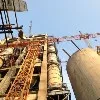
Tower crane (tower crane) is also referred to as tower crane, also known as tower crane, a rotating crane with a boom mounted on the top of a tower. The tower crane has a large working space, and is mainly used for the vertical and horizontal transportation of materials and the installation of building components during house construction. The driver of the tower crane must be professionally trained to pass the assessment and obtain the operation certificate according to the regulations of the relevant department. It is required to understand the working principle of the tower crane, familiar with the structure of the machine, the role of each safety device and its debugging method.
The driver of the tower crane should master the operation methods and maintenance techniques of the various performances of the machine, and should do the following:
1. The tower crane must be operated by a certified professional. Non-driver personnel are not allowed to operate. There should be a special person to direct the operation. The driver must not operate after drinking and getting sick. Before the operation, check whether the rotating machines are running normally, whether the connecting bolts in the main parts are loose, whether the wire rope is worn and whether the pulleys meet the regulations. The safety protection devices such as lifting capacity, torque limiter and various travel limit switches must be complete, sensitive and reliable. They cannot be adjusted and removed at will. It is strictly forbidden to replace the operating mechanism with limit devices.
2. Before lifting, carry out no-load operation, check the brakes, safety limiters, protective devices, etc. of each mechanism such as lifting, luffing, swinging, etc., and confirm that they can operate normally. When manipulating each controller, it should be operated step by step in sequence, and over-range operation is strictly prohibited. When changing the direction of operation, the controller should be turned to zero position. After the motor stops rotating, it should be turned to the other direction. Strive for stability during operation. Emergency opening and emergency stop are strictly prohibited. During operation, the windows of the cab should be opened, pay attention to the command signal, and there should be safety measures for fire prevention and electric shock in the cab.
3. During the lifting operation, no one should stay or pass under the heavy object. It is strictly forbidden to overload or lift objects of unknown weight. When lifting heavy objects, they should be tied firmly and steadily. Do not pull diagonally and slant objects, and do not allow to squeeze and squeeze objects. Do not suspend objects buried in the soil or frozen on the ground. , Sporadic materials and objects must be secured with a cage or wire rope before lifting. When lifting on rainy days, the crane should be tested first, and the brake must be sensitive and reliable before operation. When there are objects hanging in the air, the driver
The signal worker must not leave the job.
4. When working with multiple machines, care should be taken to maintain the operating distance of each machine. The distance of the heavy objects suspended on the hooks of each machine shall not be less than 3 meters. In case of strong wind or heavy rain, heavy fog, thunderstorm or above, the operation should be stopped.
5. After the completion of the engineering operation, the tower crane arm should follow the wind source, the hook should be raised to a high place, and the luffing trolley should be moved to the root of the crane arm to cut off the power supply. The driver must earnestly record the use, repair, maintenance and handover of the crane, regularly repair and maintain the machinery, and do a good job of "cross" the equipment (cleaning, lubrication, adjustment, fastening, anti-corrosion).